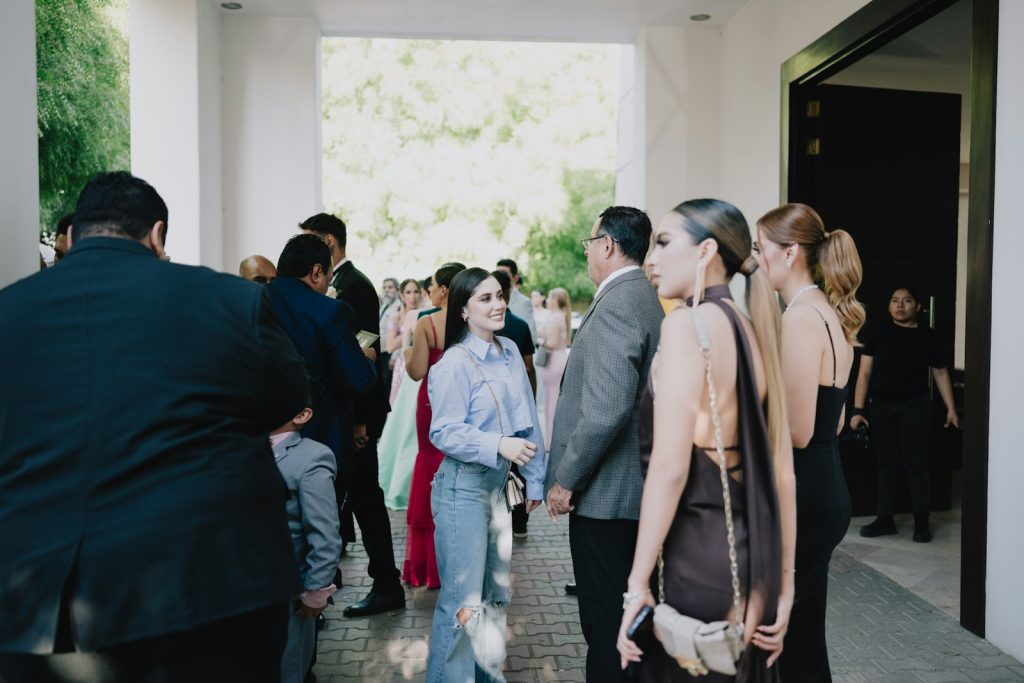
The dress code on an invitation tells you a lot, if you know how to read it. Here’s what each one usually means.
Quick take
- Black tie is the most formal common dress code: tuxedos and floor-length or very elegant dresses.
- Cocktail and semi-formal usually mean suits, dresses at or around knee length and smart separates.
- When in doubt, dress slightly more formally than you think you need to.
- Avoid white unless the couple asks for it, and check the venue and weather before choosing shoes and layers.
Choosing an outfit for a wedding is easier when you understand the dress code. Couples use these terms to set the mood, and guests who follow them help the day feel the way the couple imagined.
The common dress codes
| Dress code | What it usually means | Outfit ideas |
|---|---|---|
| White tie | The most formal; rare at weddings | Tailcoats; formal floor-length gowns |
| Black tie | Very formal, usually evening | Tuxedo; floor-length or very elegant dress |
| Black tie optional | Formal, with some flexibility | Tuxedo or dark suit; long or elegant cocktail dress |
| Formal | Dressy, with more freedom | Dark suit and tie; long dress, dressy jumpsuit or elegant separates |
| Cocktail or semi-formal | Polished but not black tie | Suit; knee-length or midi dress; smart separates |
| Casual or smart casual | Relaxed, often daytime | Chinos and a blazer; sundress or skirt and blouse |
Etiquette most guests follow
- Skip white and ivory unless the couple asks for it; it’s traditionally reserved for the couple.
- Check the invitation and wedding website for themes, colours to avoid or cultural dress requests.
- Think about the venue. Grass, sand and cobblestones call for block heels or flats.
- Plan for the weather. Bring a wrap, jacket or umbrella for outdoor and evening events.
Style tip
If you’re unsure, aim slightly dressier than the minimum. It’s easier to remove a tie or jacket than to feel underdressed.
Cultural and religious weddings
Some ceremonies have specific customs, such as covering shoulders or heads in places of worship, removing shoes, or wearing or avoiding particular colours. If the invitation doesn’t say, ask the couple or a family member. They’ll usually appreciate that you checked.
Keep this in mind
If you’re attending in winter, plan how you’ll get from the car or transit to the venue. A warm coat and boots you can change out of keep you comfortable without compromising your outfit; our guide to layering for cold weather has ideas.
Make it work with what you own
You don’t need to buy something new for every wedding. A well-fitting dark suit, a versatile dress and good accessories cover most dress codes. Our guide to wardrobe essentials explains which pieces earn their keep, and our smart casual guide covers more relaxed celebrations.
Your style questions
What does ‘black tie optional’ mean?
The couple will be dressed formally and guests may wear black tie, but a dark suit or an elegant cocktail or long dress is also fine.
Can I wear black to a wedding?
In many places, black is now widely accepted, especially for evening weddings. Some cultural and family traditions differ, so if you’re unsure, ask the couple or a close friend.
What if there’s no dress code on the invitation?
Use the time and venue as clues. Evening receptions in formal venues lean dressier; daytime outdoor weddings lean semi-formal or smart casual.